




Pitti Uomo Florence: Why this fair is more than just buying – Notes from Mr. Zielinski
This year, I’m packing my bags and heading to Florence. Not because you could order better there than anywhere else—but because Pitti Uomo can do something no other trade show can: it shows me where menswear stands today. And where it’s headed.

What exactly is Pitti Uomo?
For those hearing the name for the first time: Pitti Uomo is the world’s leading menswear trade show. It has been held twice a year in Florence since 1972—in January and June, at the Fortezza da Basso, a Renaissance fortress in the heart of the city. Over a thousand brands showcase their collections there, from major Italian fashion houses to workshops you won’t find anywhere else.
But Pitti has long been more than an ordering fair. It is a meeting place, a stage, and a barometer for menswear all at once. If you want to understand how men will dress in the coming years, you’ll find the answer here.
What makes Pitti Uomo special
Trade shows in other cities are our tools of the trade. That’s where we buy the new season’s collections—focused, efficient, and with a clear eye on our customers. Pitti is different. At the Fortezza da Basso, it’s less about ordering appointments and more about atmosphere. The whole world comes to Florence: buyers from Tokyo, designers from Milan, fabric manufacturers from Biella, journalists from New York. You exchange ideas, debate, observe, and get a sense of the current state of the market that no sales figure in the world could ever convey.
That’s exactly the kind of insight I bring home with me. It informs every decision we make later at the ordering table.

Discovering new brands—off the beaten path
Why it’s worth searching in Florence
Pitti is where you find labels that don’t show at any other trade show. Small Italian workshops, Japanese knitwear specialists, young brands with a distinctive signature. If you want to expand your portfolio, you have to come here and look closely.
For me, that means walking through the halls, feeling the fabrics, checking the craftsmanship, and talking to the makers. A brand that comes into our house must be able to do two things—have its own ideas and impress with its craftsmanship. Trends alone aren’t enough. What we bring back to Düsseldorf should still be relevant to our customers in three years’ time.
My advice for your wardrobe
What applies to buying also applies to your personal wardrobe: invest in pieces with substance. A blazer made from fine Italian cloth, a knit sweater with impeccable stitch work, trousers with a precise cut—these are the building blocks of a wardrobe that outlasts fashion. At our house, we are happy to advise you on which of these discoveries is right for you.

The streets of Florence: a trend barometer for the coming year
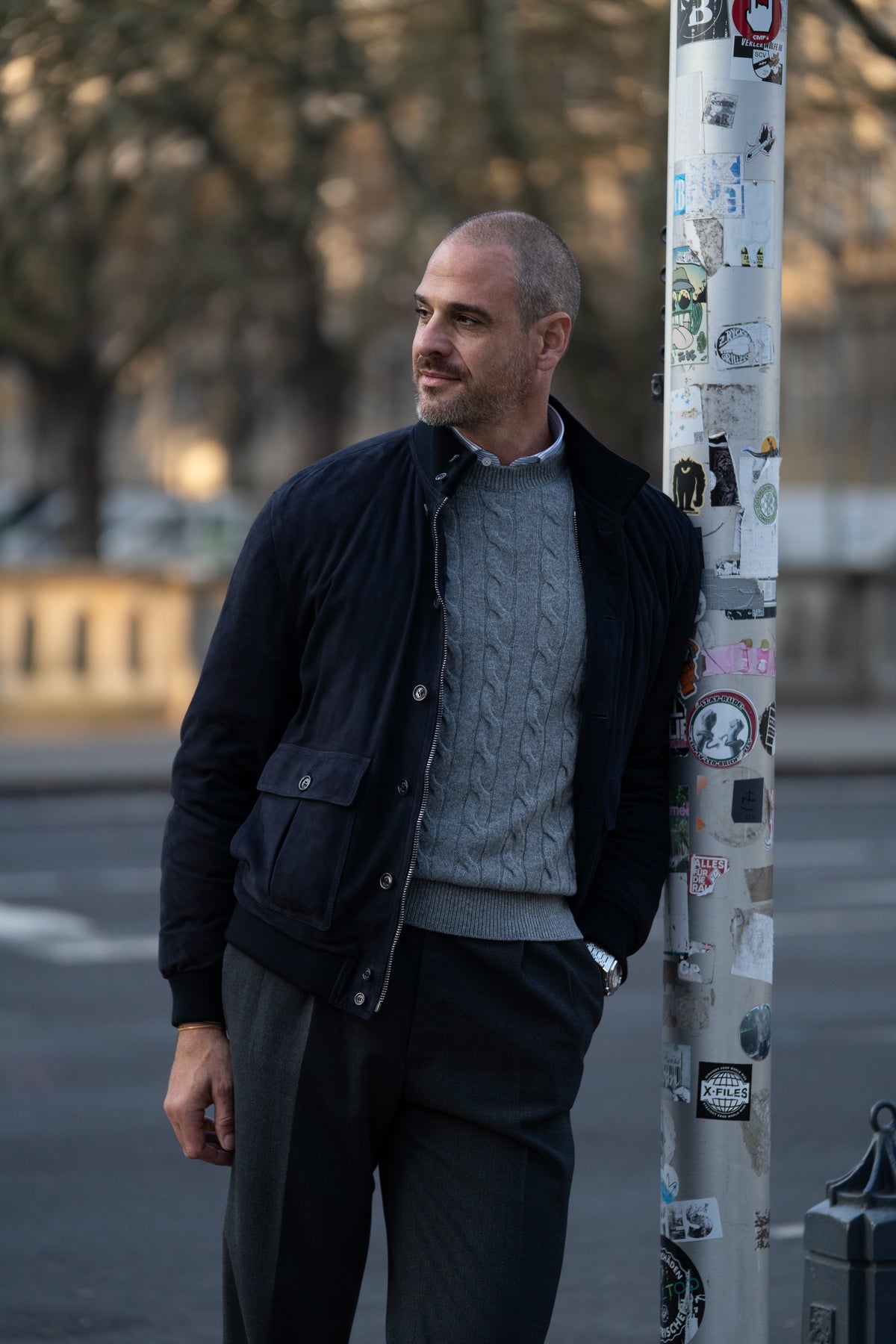
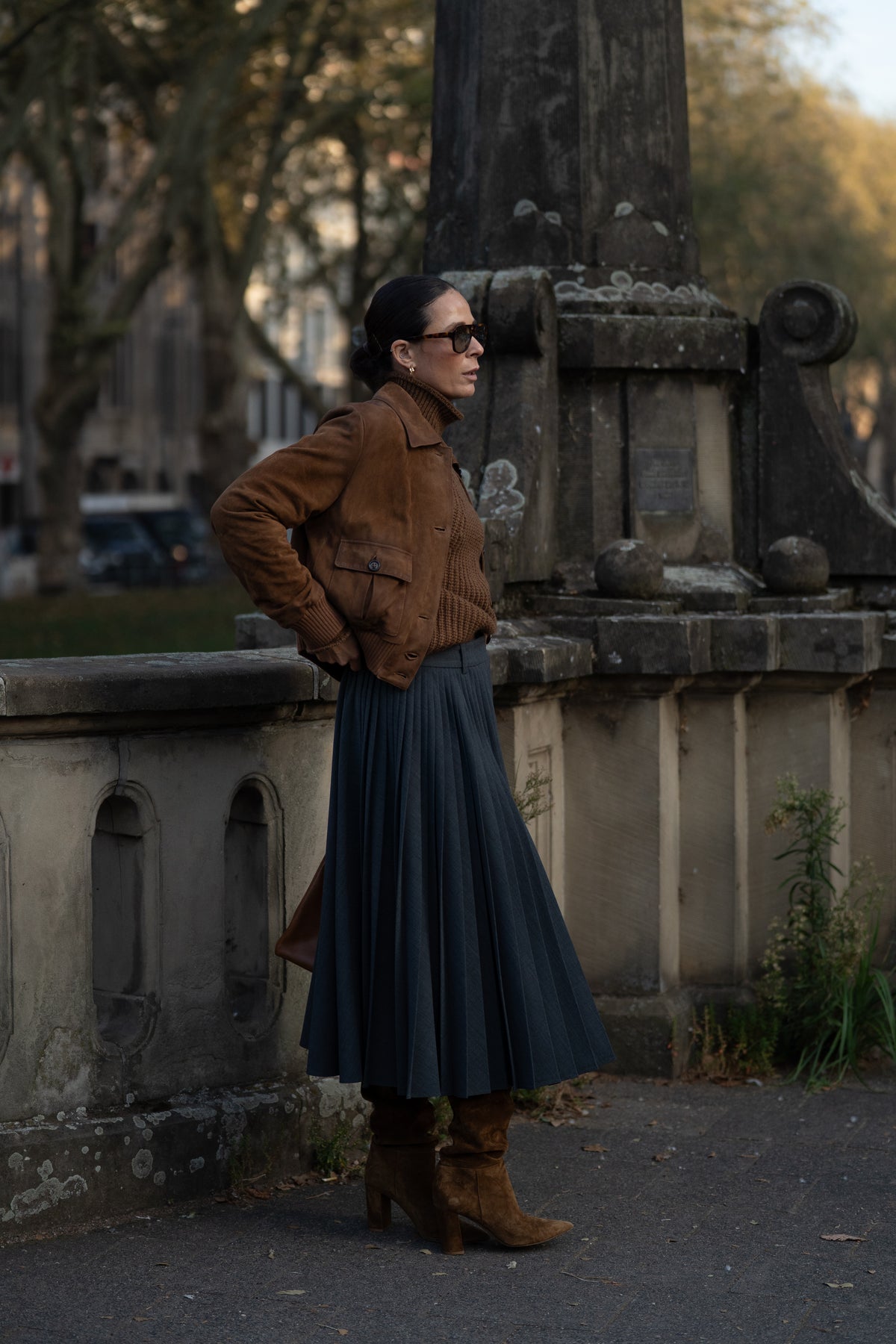
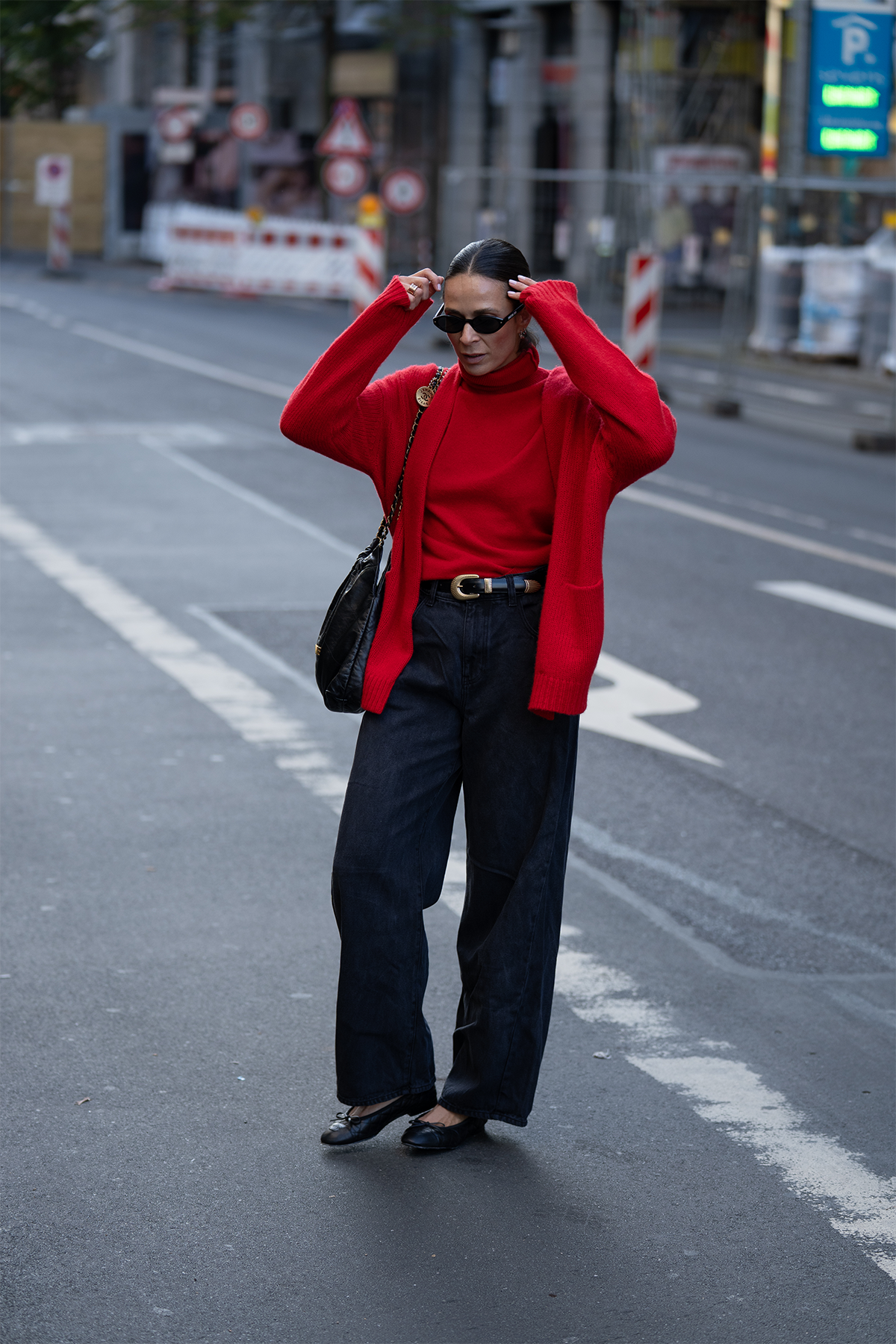
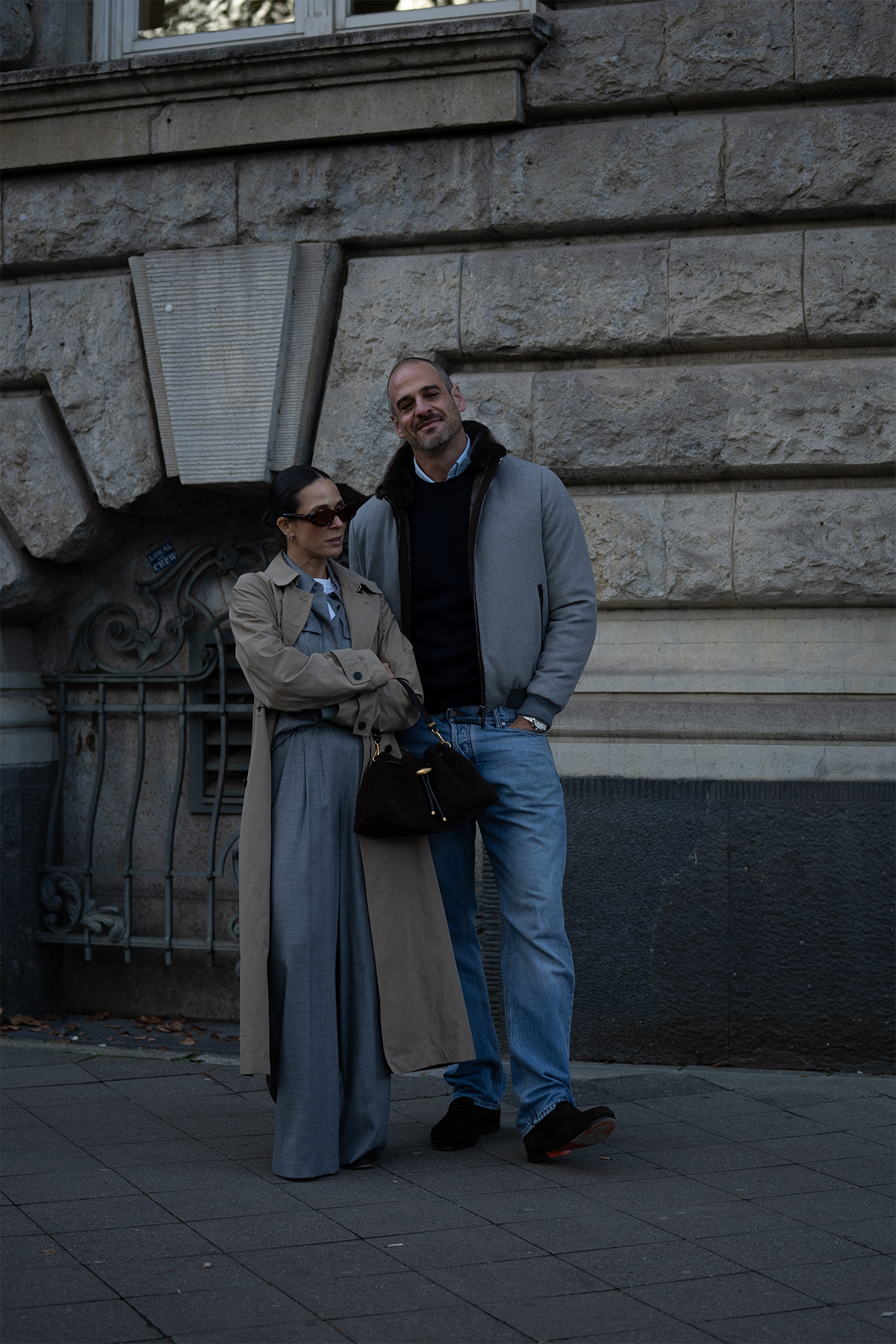
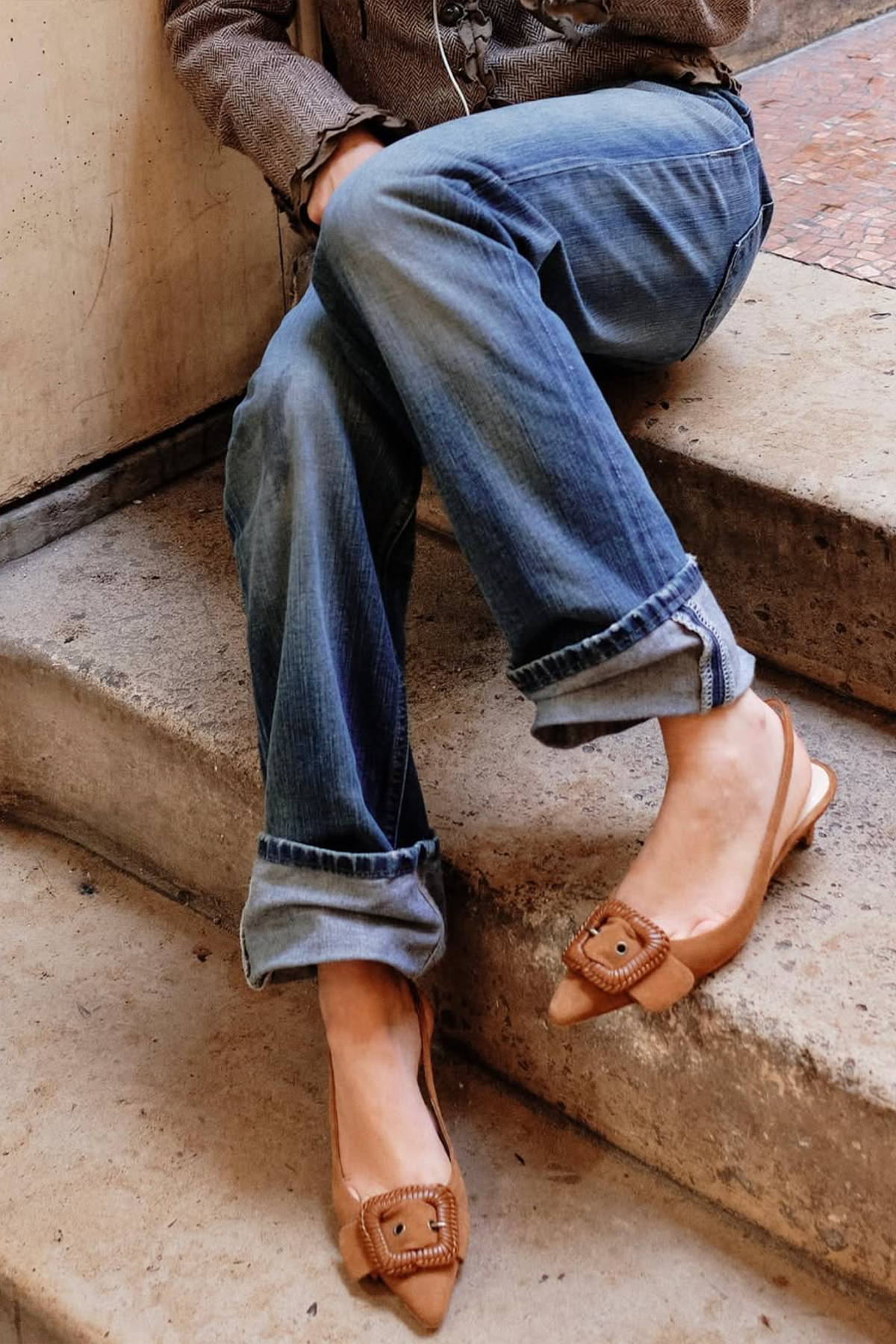
Outside the gates of the Fortezza, the second trade show is underway. All the icons of menswear are there, and the street scene is pure inspiration. The photos taken there are the trend barometer for the coming year—long before the topics reach the magazines.
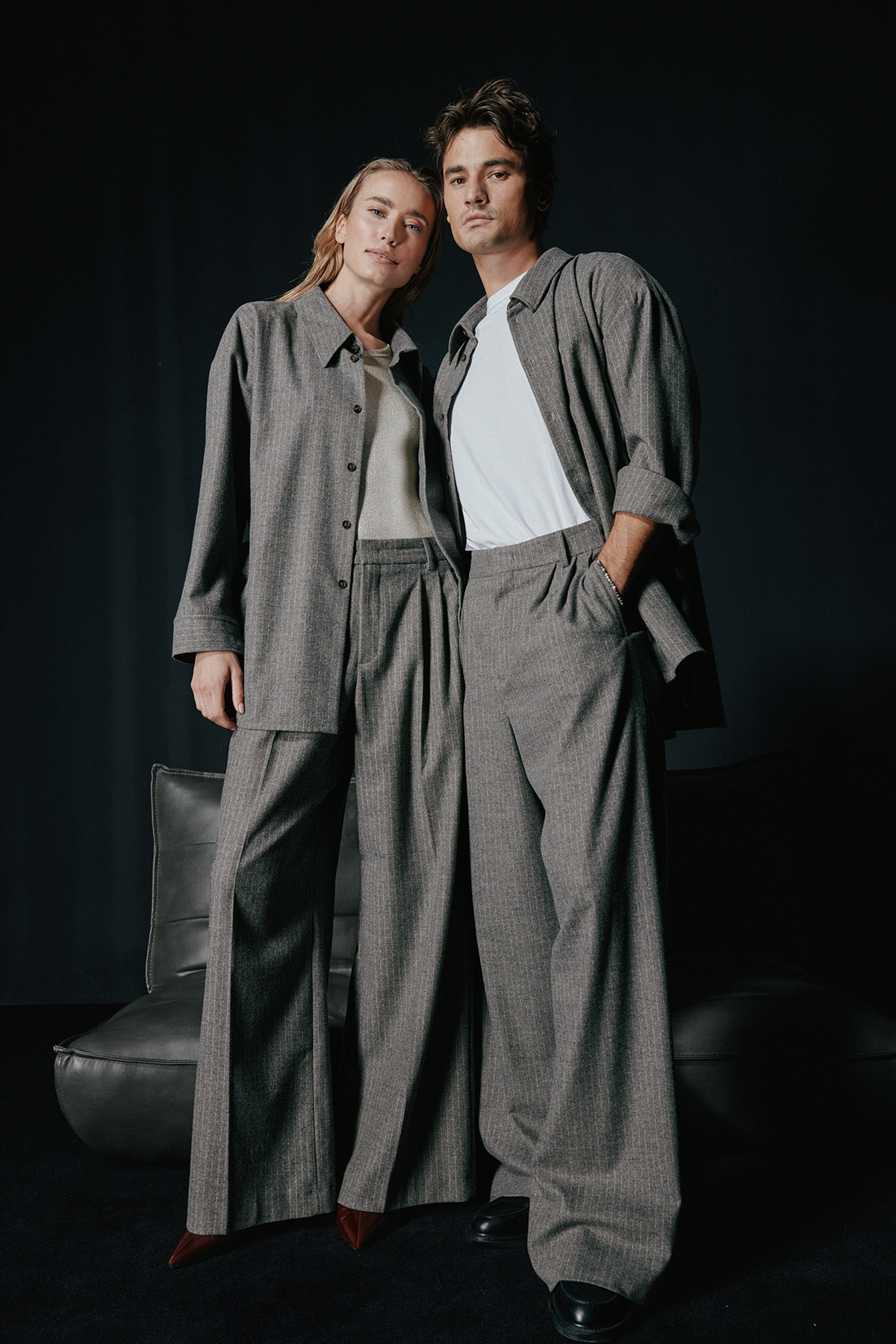
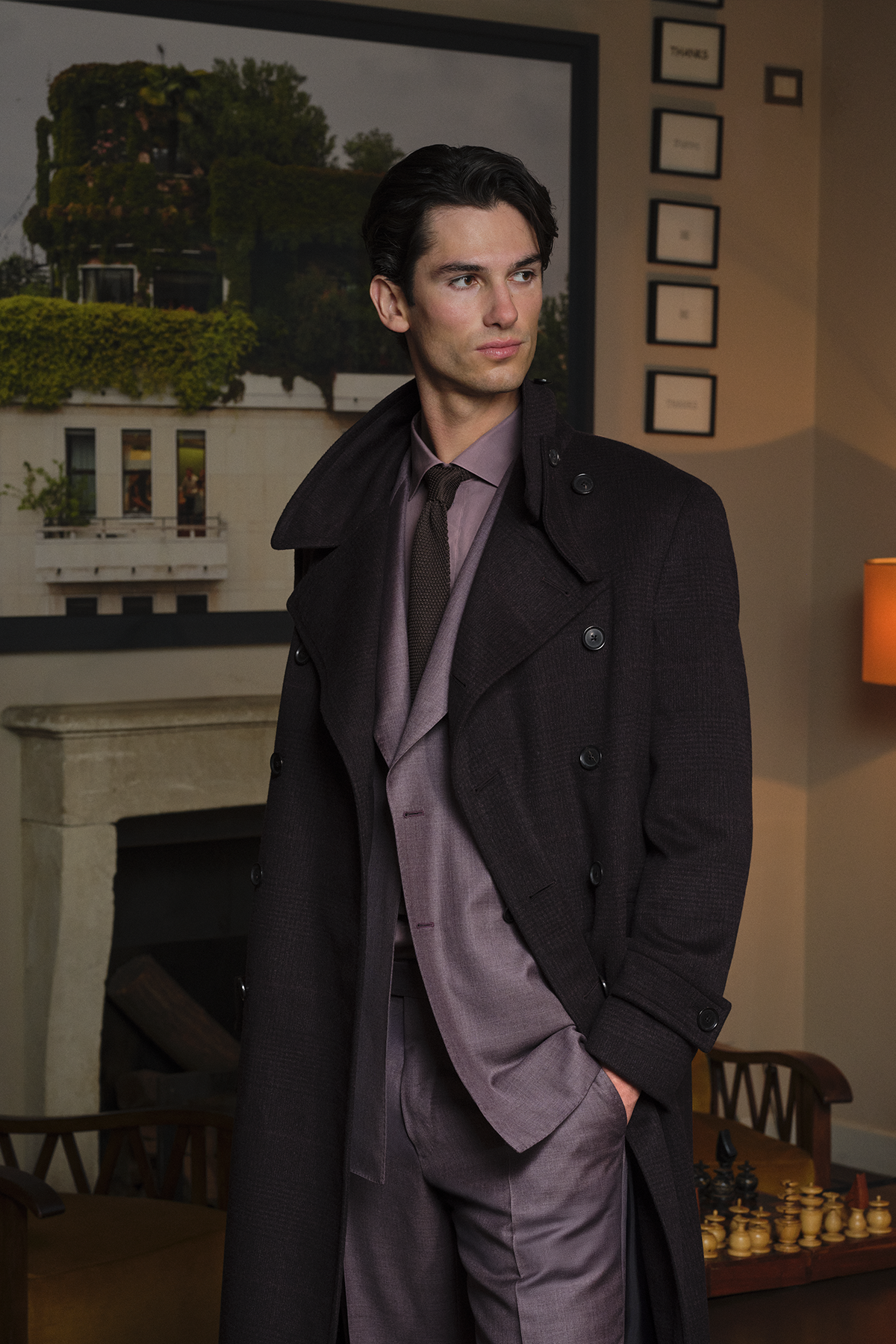
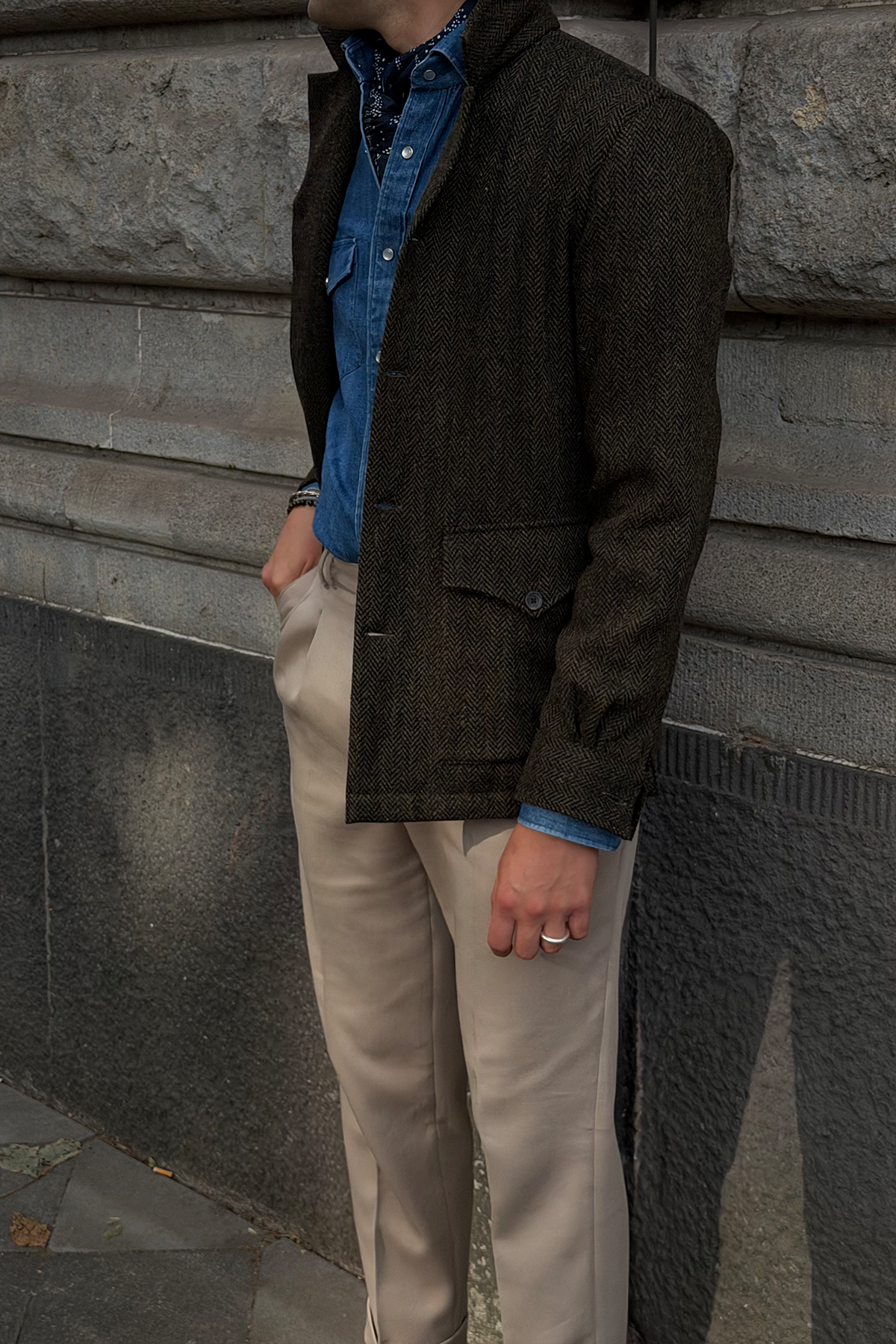
What I’ve noticed this season: loud styling is increasingly giving way to quieter elegance. Softer shoulders, flowing silhouettes, tonal combinations in sand, olive, and off-white. The double-breasted blazer remains, but is worn more casually—open, over fine knitwear instead of a shirt and tie.
Three styling ideas from Florence
Brown is the new navy. From tobacco to espresso: the Italians show how versatile brown tones can be. They look particularly striking with denim or off-white.
You can tell quality by what’s inside. Hand-sewn buttonholes, half-lined blazers, clean seams—feel free to turn a garment inside out before you buy it.
Layering instead of loudness. A lightweight coat over a blazer, a scarf as a pop of color—in Florence, elegance is created through layering, not effects.

Old acquaintances, new friends, and a suitcase full of inspiration
In the end, it’s the encounters that make this journey. I visited old acquaintances, met new friends, and above all, gathered one thing: inspiration. Informed and with a full notebook, I returned to Düsseldorf.
You’ll see how much of it makes its way into our collections in the coming months. And if you want to know which discovery from Florence is right for your style—stop by. I’ll be happy to tell you more.
P. Zielinski

more from the journal

Resort Wear: The Art of Looking Good on Vacation
Between pool and dinner: What resort wear is really all about. Patricia and Clemens Wirschke on the art of looking effortlessly stylish on vacation.
Read more
Autumn is coming: The first pieces that are already inspiring us
Earth tones and navy as a base, knitwear instead of shirts, pleated trousers are back: Patricia and Clemens Wirschke present the first autumn pieces that have us thrilled.
Read more